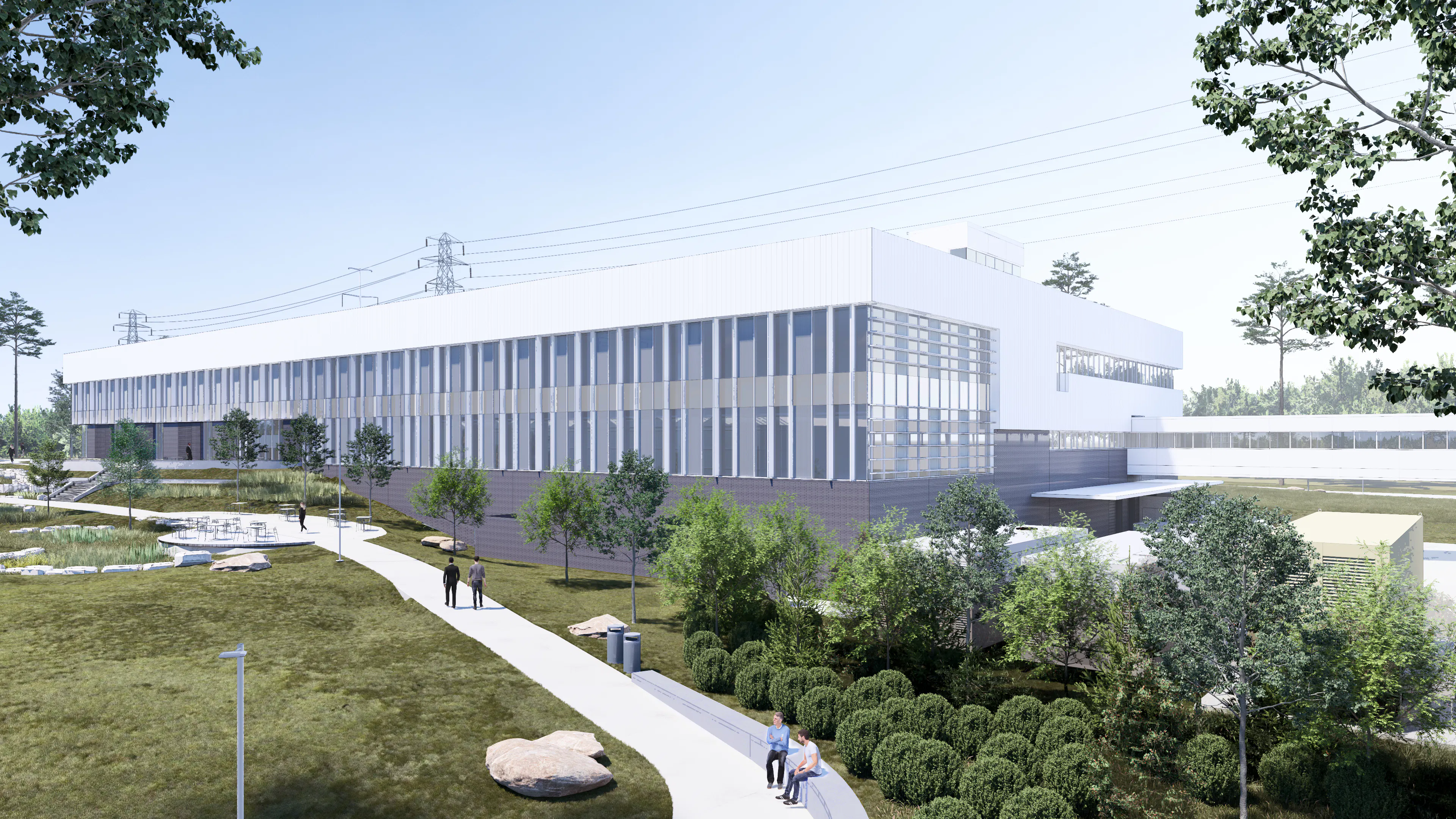
Planning for Lasting Impact at Berea College
Berea College has always followed its own path. Since its 1855 founding as the first interracial and coeducational college in the U.S. South, Berea has built its identity around expanding access to education and addressing intergenerational inequality. Students pay no tuition and participate in the College’s distinctive Labor Program, working at least ten hours each week while gaining experience and contributing to the community. Beginning with the 2026–27 academic year, Berea is extending that commitment further by providing every student a fully funded four-year education. That clarity of purpose shapes nearly every aspect of life at Berea and has also informed how the College approached planning for its future.
As we worked with Berea College to develop its Campus Master Plan alongside its Sustainability and Climate Action Plans, we spent considerable time learning how the institution works. We listened to students, faculty, staff, and leadership. We looked closely at how people use the campus and where they come together. And we talked about what Berea wants to hold onto as it evolves. Those conversations became the foundation for the plan.

Berea has found a scale that works for the institution and its mission. This means enrollment growth is not driving the conversation, and the College can instead focus its investments on the quality of each student’s experience.
That led to questions that went beyond facilities. Where could campus encourage more interaction across disciplines? How could spaces better support an educational model in which learning and work are closely connected? As Berea expands its investment in technology and STEM, how can the campus continue to support the humanities and the liberal arts education that remains central to the College?
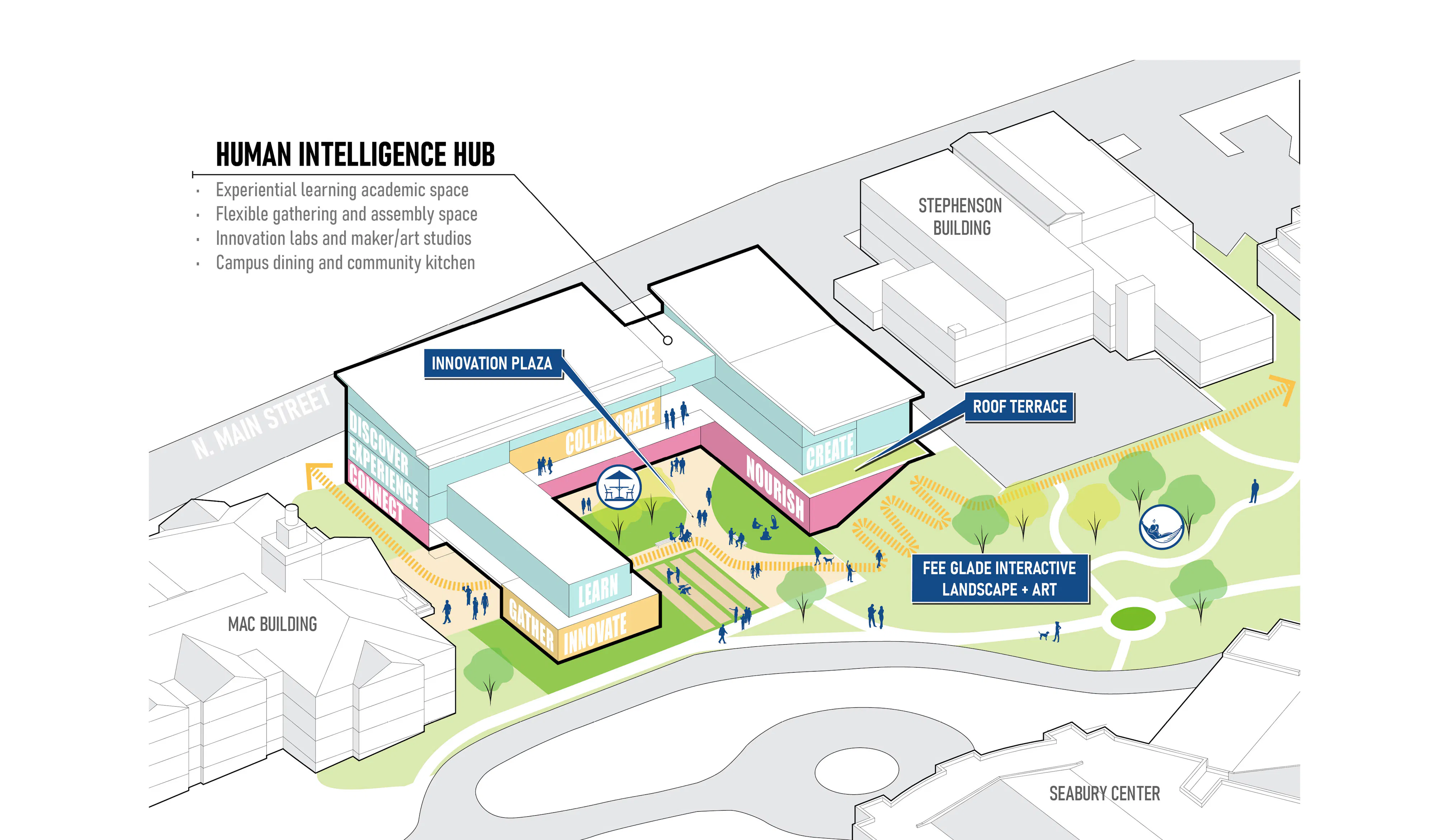
There was also a larger question about the value of being together. As more of daily life happens remotely, Berea sees something increasingly important in bringing people with different backgrounds and experiences together on campus. The physical environment can help make those encounters more frequent and meaningful.

Students and other members of the Berea community helped us understand where those opportunities already exist and where campus can do more. We paid attention to behaviors as well as buildings: how people move, where they naturally gather, and where organizational or programmatic silos become physical ones. The recommendations grew directly from that understanding.
A proposed future dining facility offers one example. The College sees dining as an opportunity to bring experiential learning into everyday campus life, with connections to agriculture and food. The space can also draw people out of their usual routines and create more opportunities to spend time together. Even plans to transition to an eat-all-you-want dining model reflect a culture focused on providing for students rather than making each meal feel transactional.
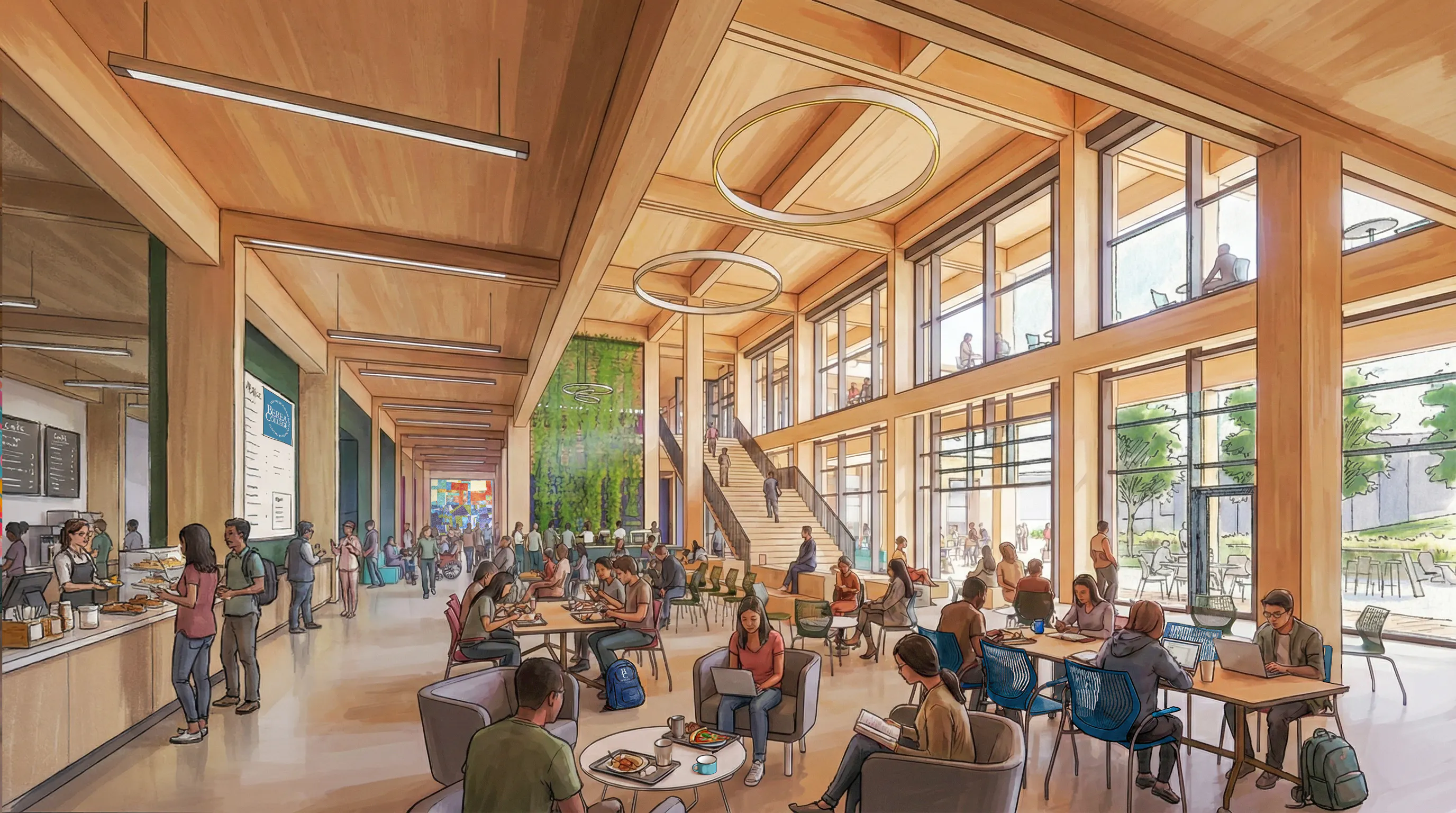
This thinking carries across the master plan. A physical investment may address a facilities need while improving the student experience or creating stronger connections across campus. Sustainability and long-term stewardship are considered alongside those decisions from the beginning. Each investment has to earn its place.
Berea is looking ahead with considerable ambition. The College is thinking about the future of work and how technology will change what students need from their education. At the same time, it remains deeply invested in the liberal arts and in the value of learning together in a shared place. That balance informed the planning process.
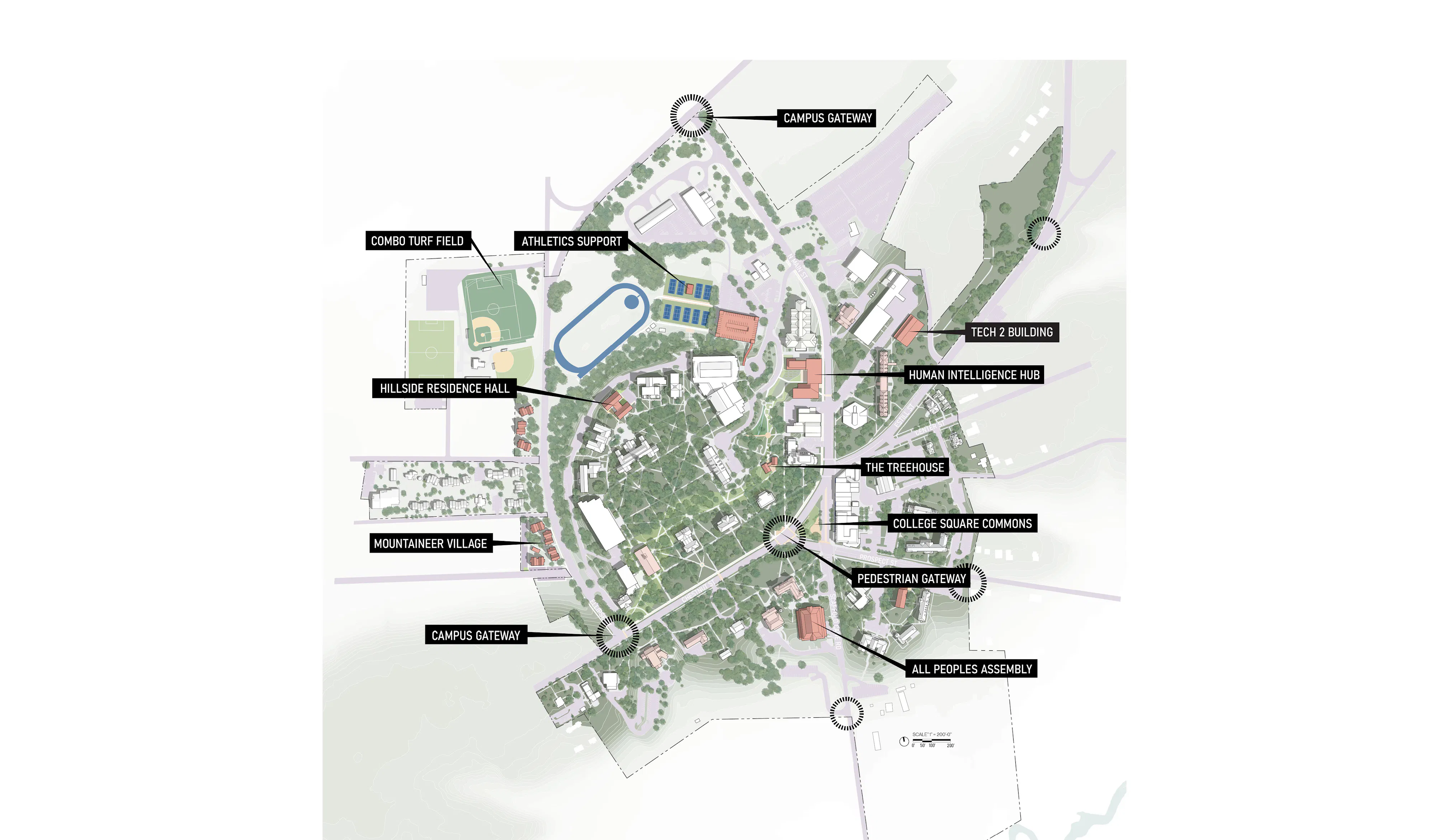
Resilience includes preparing buildings and infrastructure for changing conditions and using financial resources carefully. It also involves sustaining a culture that has developed over more than 170 years. This is where integrated planning became particularly useful. Looking at the Campus Master Plan, Sustainability Plan, and Climate Action Plan together allowed decisions in one area to inform another. More importantly, it gave the College a framework for evaluating needs and opportunities that will emerge long after the planning process is complete.
The College will continue to change. Its campus should help make that possible while remaining recognizably, authentically Berean. For an institution with such a clear sense of purpose, knowing who you are provides a strong starting point for deciding what comes next.