
Advancing the Science Facility
Academic science facilities are being asked to do more with less. As institutions confront aging infrastructure, constrained funding, and evolving research demands, the role of the science building is being fundamentally redefined.
Higher education institutions are navigating a period of transformative change when it comes to their science and STEM facilities. Rapidly shifting research methods, interdisciplinary learning models, fiscal constraints, sustainability imperatives, and evolving occupant expectations are converging. Principal David Liberatore identifies six core trends shaping this evolution and outlines how planning and design approaches are adjusting in response.
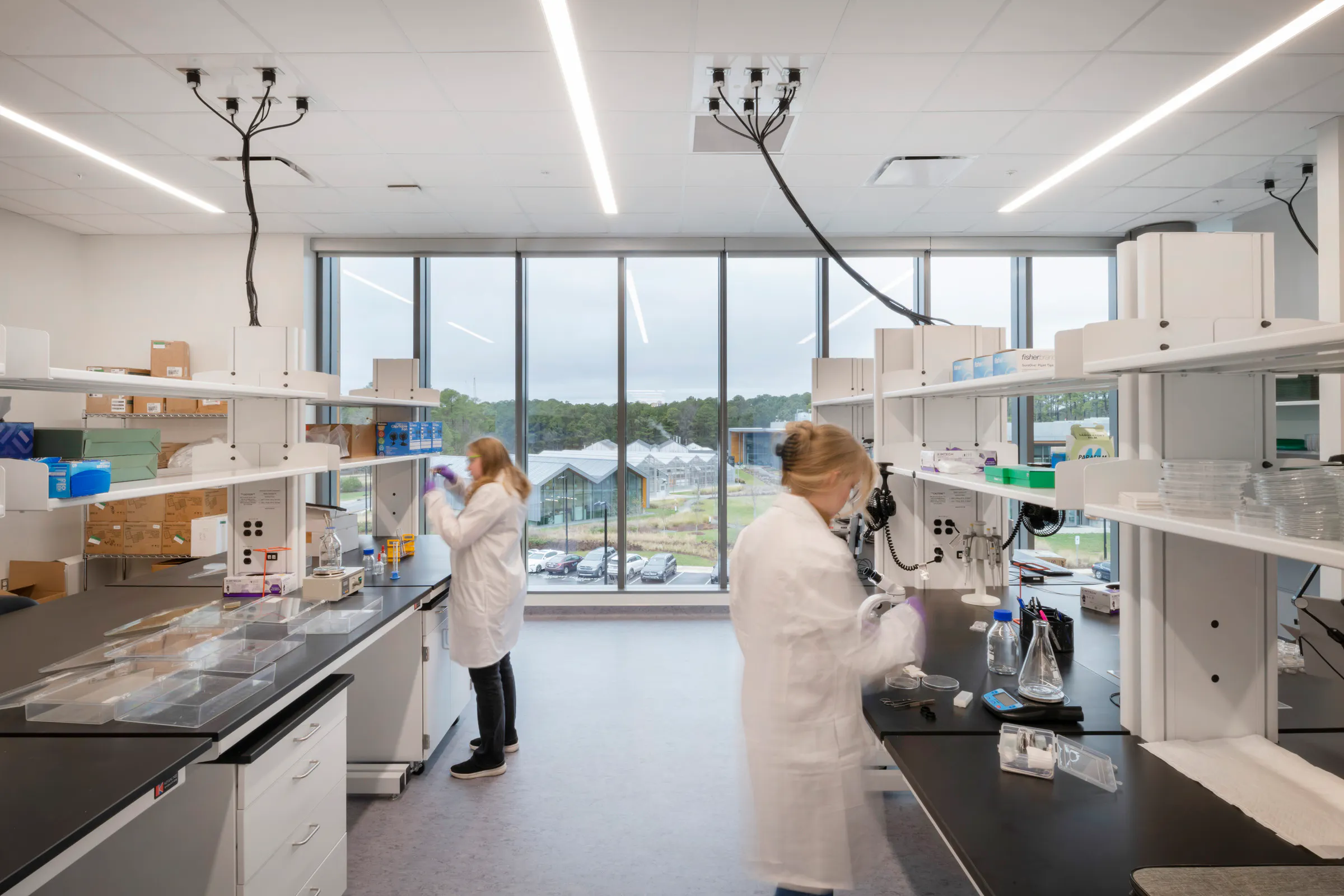
One of the most pressing trends is the demand for better operational performance: doing more with fewer resources, optimizing every square foot, and ensuring that labs are as functional as they are visually efffective. Benchmarking studies underscore this demand, illustrating that lab modules are being resized and rethought to support collaboration, high-tech instrumentation, and efficient workflows.
As David Liberatore puts it: “By mapping circulation, adjacencies, utilities, equipment and furnishings to the actual work being done in those spaces, we ensure science and research spaces work for the individuals who use them and for the institutions that rely on the results they generate.”
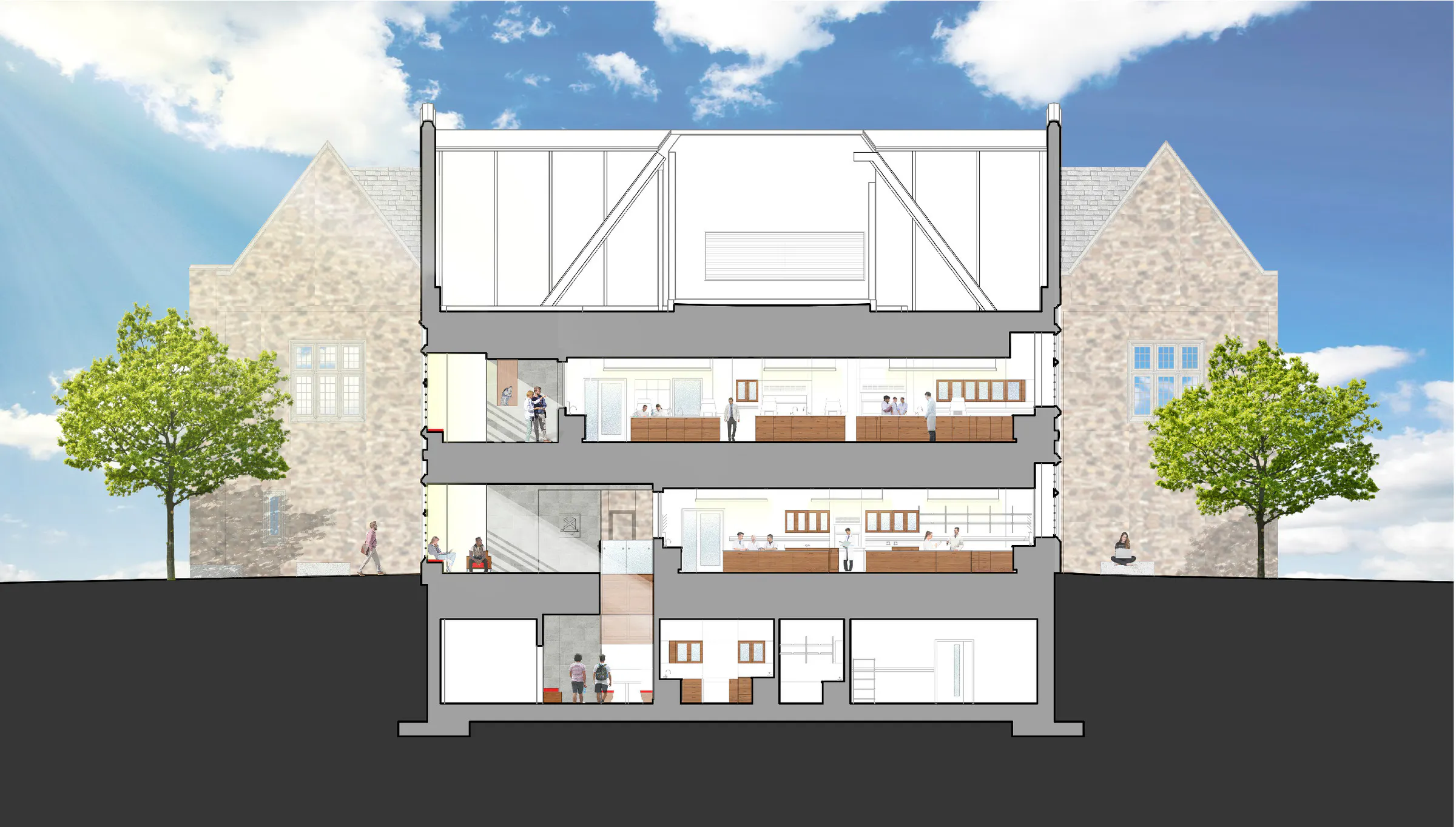
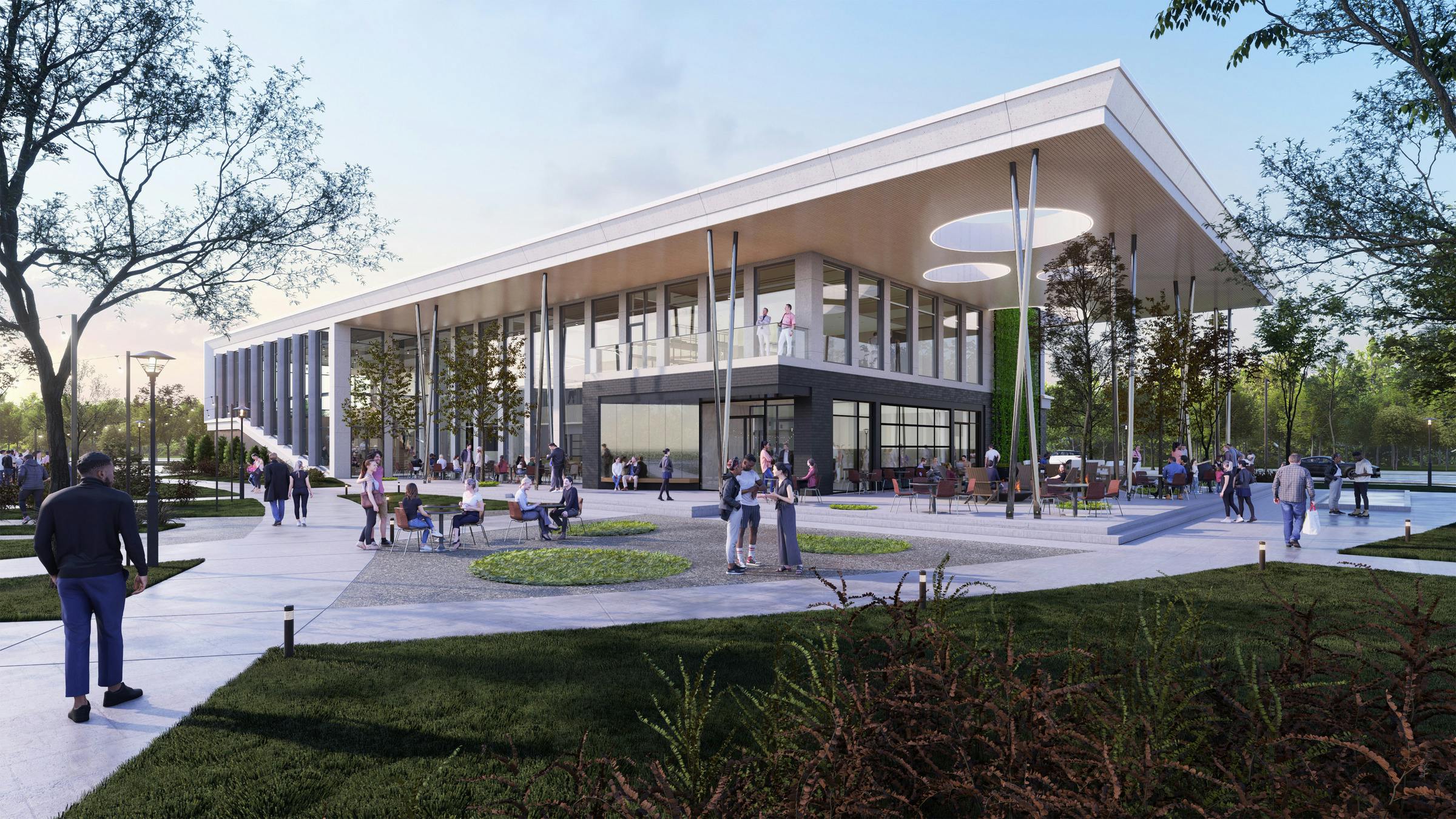
Another clear trend is the shift from discipline-specific labs to spaces designed for interdisciplinary collaboration and active learning–teaching and research environments where students and faculty from diverse fields work together.
“When a biology student, a data-scientist and an engineer share proximity, the architecture has to support that conversation,” according to Liberatore. It’s not enough to place labs side by side. You need shared zones, visual transparency, flexible furniture, and adjacencies that spark cross-pollination.”

STEM remains a major emphasis for colleges and universities, with a growing demand for hands-on labs, clinics, simulation spaces and experiential learning. A recent survey found that more than 75 % of administrators and instructors say STEM students aren’t sufficiently prepared or engaged, and that hands-on labs remain key to delivering quality outcomes.
For our clients, this means a school’s science facility is not just for faculty research but also for undergraduate teaching, simulation, clinics and hands-on training. Liberatore: “The modern science facility must support advanced research and at the same time support undergraduate teaching, student projects and experiential learning with labs and maker spaces that flex from teaching to research.”

Flexibility used to mean “can we move the furniture?” Now institutions ask: “Will this building still serve ten years from now when our research agenda has shifted?”
Liberatore explains: “We respond by asking our own questions at the start of a project: If your grant focus, instrumentation or student enrollment changes, will this building still serve you? What if you convert a live-lab into a simulation lab, or pivot to an entirely new discipline?” Modular infrastructure, service zones sized for future growth, open lab layouts with partitions, and utility systems pre-sized for change all help to answer these questions and ensure the facility remains relevant and cost-effective over its lifetime.
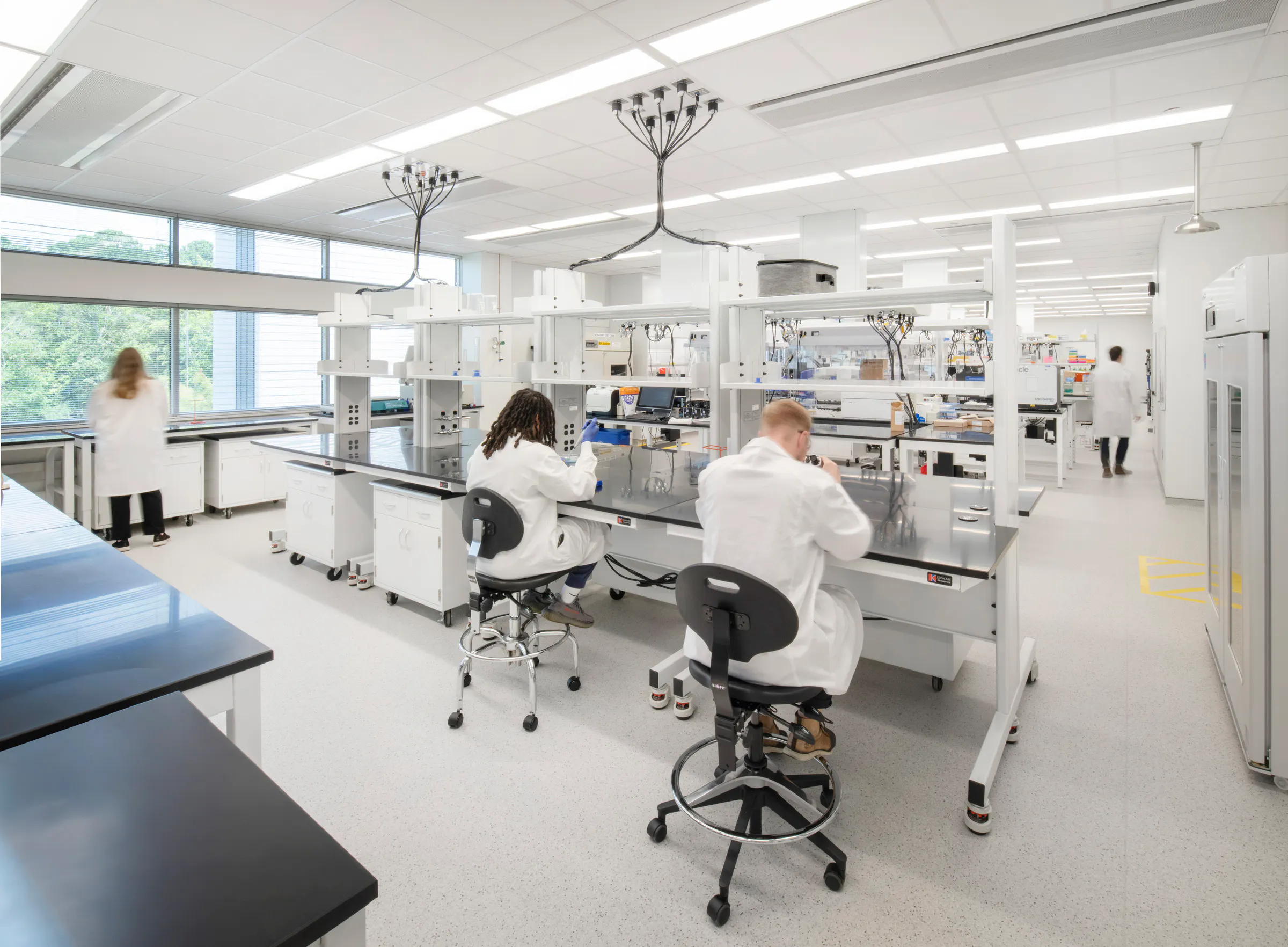
At the heart of academic sciences are the people leading the research, teaching next-gen leaders, and developing ideas and solutions. To attract and inspire these scientists and scholars, their facilities must prioritize occupant health and wellbeing.
As Liberatore notes: “We don’t want lab spaces that feel industrial and isolated. Science environments should be inspiring, healthy, and supportive of people doing their best work.” This means integrating daylight and views, adjacency to social and support spaces, visual transparency, fresh air and ergonomics — all designed to elevate the human experience as much as the research work.

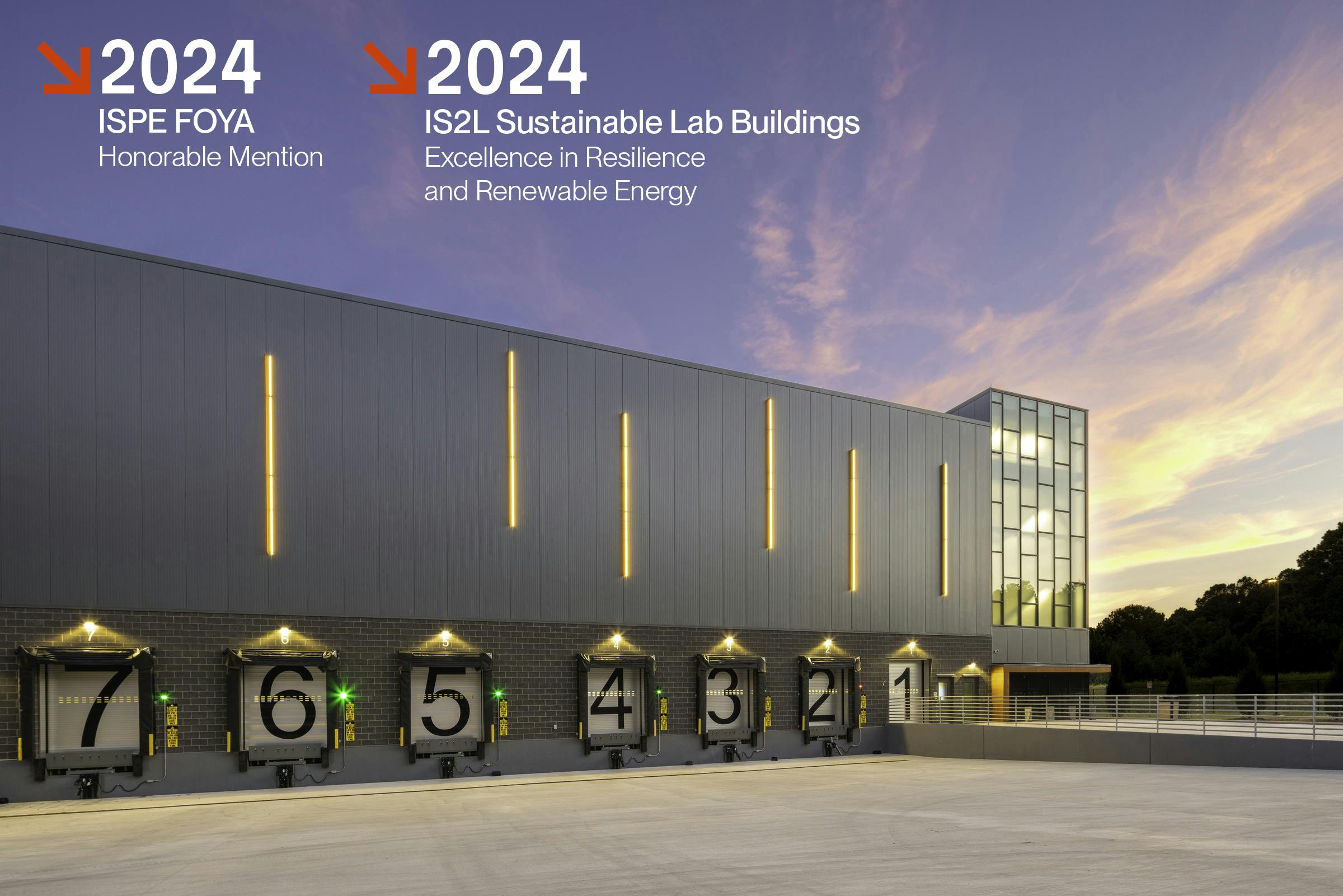
Finally, the sustainability imperative has never been stronger, especially in science buildings, which often consume significant energy, water and other resources. Meanwhile, many higher education institutions are faced with aging infrastructure, maintenance backlogs and shrinking budgets.
Liberatore: “When an institution invests in a science facility, it is investing in its operations for decades. We design with lifecycle cost in mind, working with multidisciplinary experts and engineers to optimize utility layouts, reuse infrastructure where possible, and align with institutional net-zero or decarbonization goals.” Hanbury’s practice engages early in life-cycle cost modelling, integrates energy-efficient systems, supports resource optimization and ensures that the architecture works in tandem with the institution’s sustainability mission.
The pace and scale of change in academic science facilities is high, and higher education clients are rightly asking for partners who understand not only architecture, but workflow, research culture, teaching needs, operational realities, flexibility and sustainability.
We believe that the best science facilities are distinctive (tailored to client, place and community), functional (aligned with workflow and operations) and future-capable (anticipating change). As David Liberatore concludes: “Our goal is to deliver a science environment that supports the mission, galvanizes users and remains relevant years from now.” In doing so, we partner with institutions to ensure that their investment is not only bold and impactful, but lasting.